


Transportation Innovation: Redefining How Cities Move
Every era of urban development has been marked by a leap in how people move. The streetcar shaped industrial cities, the automobile defined the suburbs,...
Leer más.
Every era of urban development has been marked by a leap in how people move. The streetcar shaped industrial cities, the automobile defined the suburbs,...
Leer más.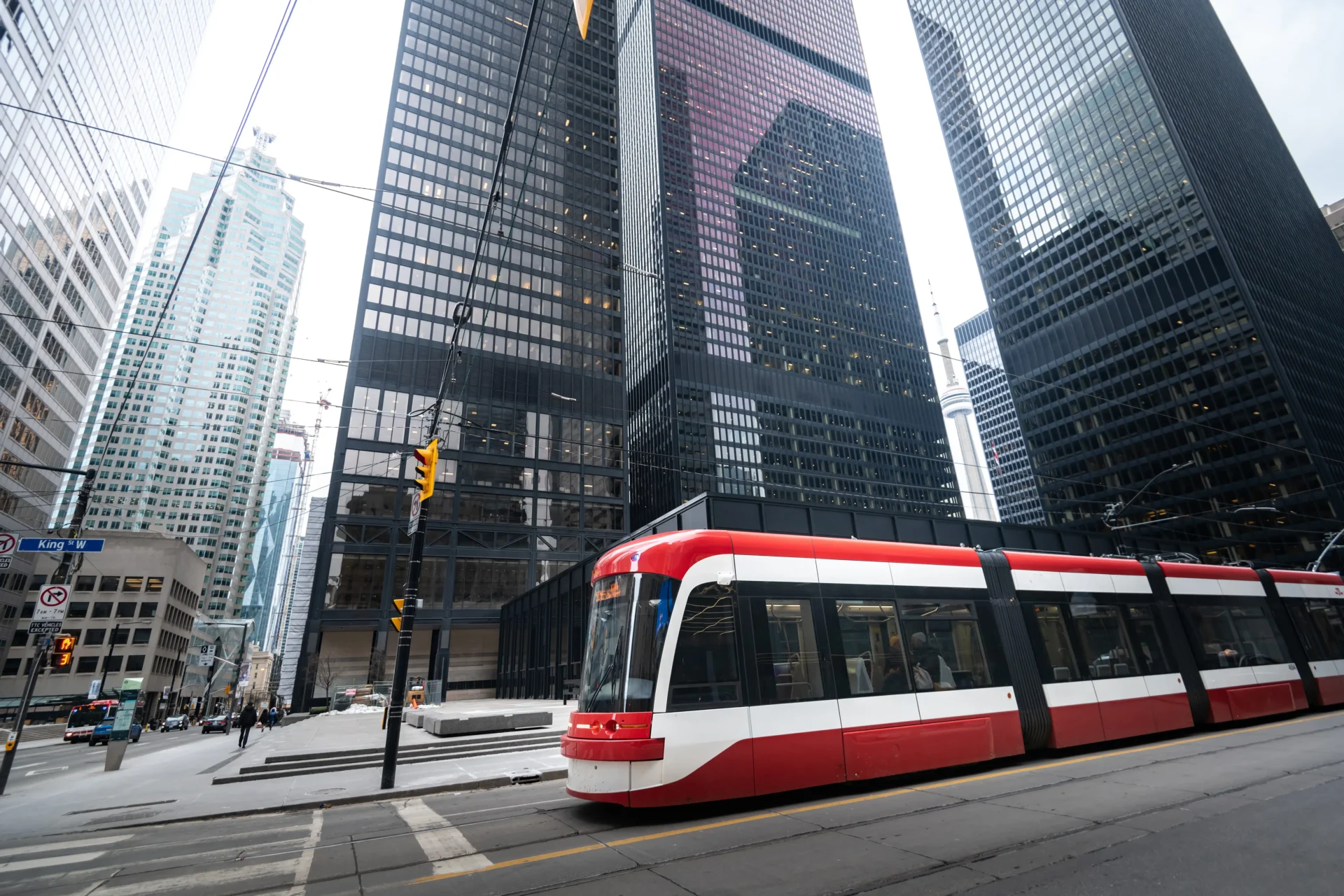
Canada is a country defined by vast geography, diverse communities, and an enduring commitment to public infrastructure. From the bustling streets of Montréal and Toronto...
Leer más.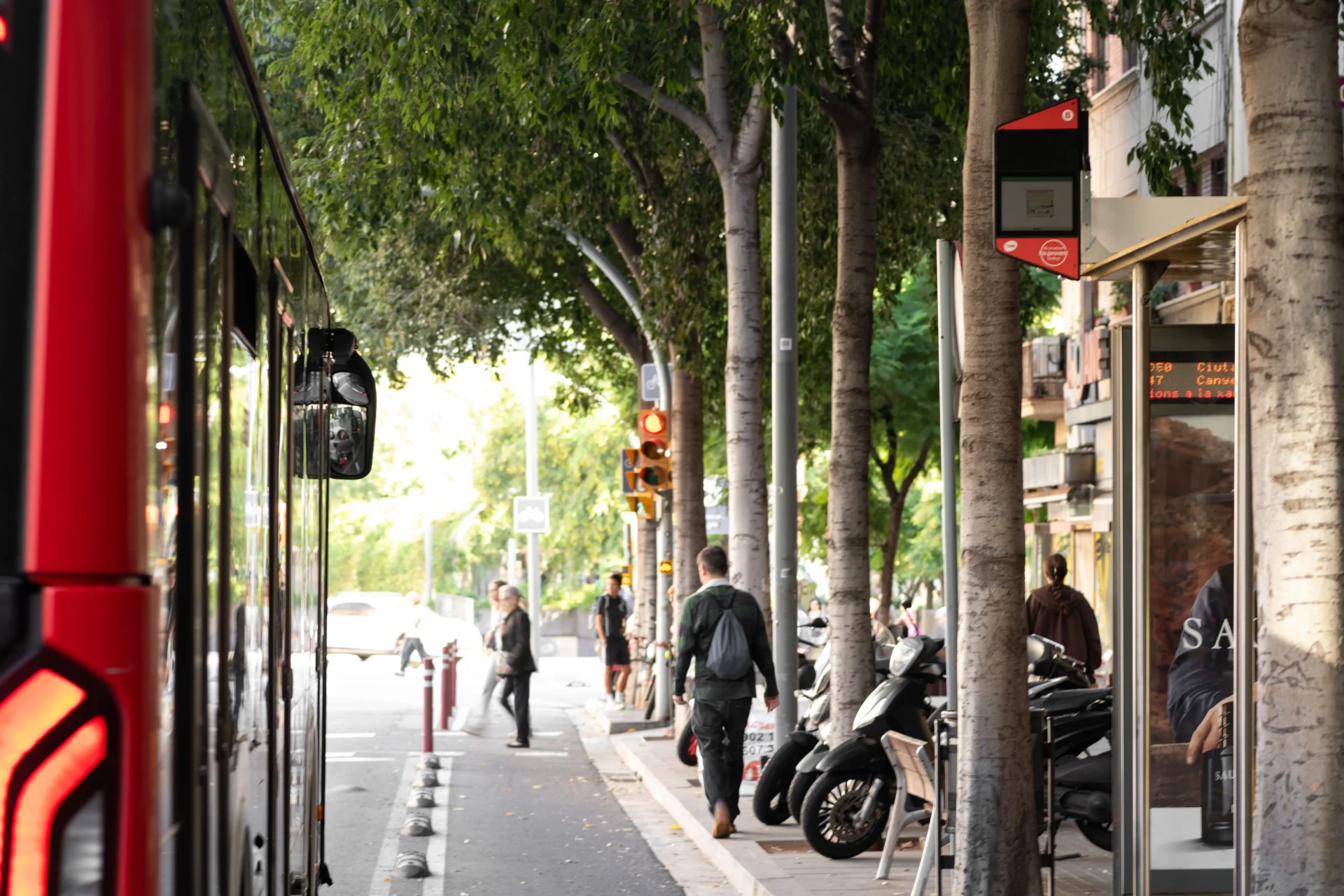
For most people, the bus stop is the most visible and familiar part of public transportation. It is where journeys begin, where schedules meet reality,...
Leer más.
As cities around the world confront climate change, congestion, and rapid population growth, the conversation about infrastructure is shifting. It is no longer enough to...
Leer más.
Public transit succeeds or fails on one thing above all else: trust. Riders must believe that buses, trains, and trams will arrive when expected, that...
Leer más.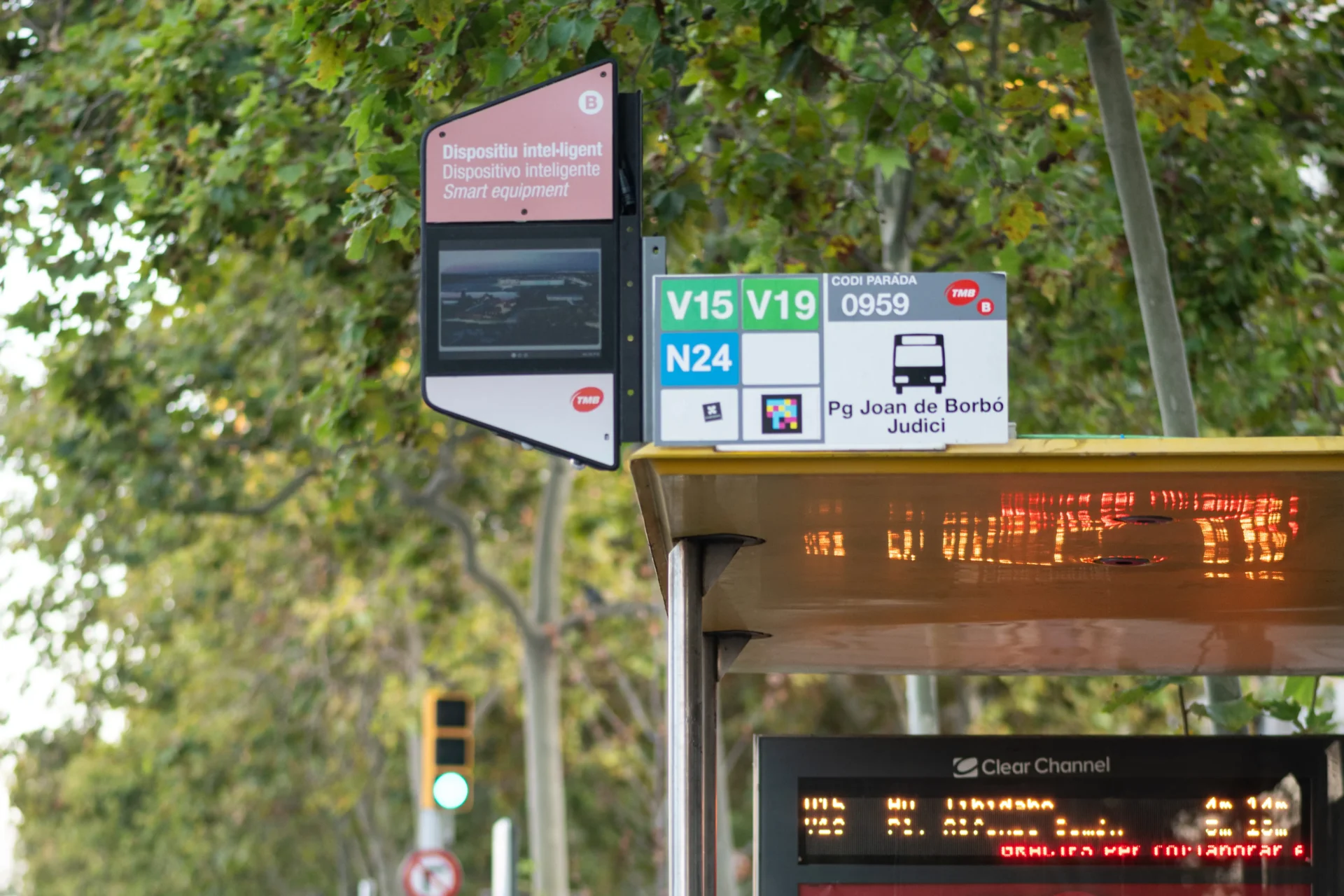
At first glance, the bus stop may seem like one of the simplest pieces of transit infrastructure—a pole, a timetable, perhaps a shelter. But for...
Leer más.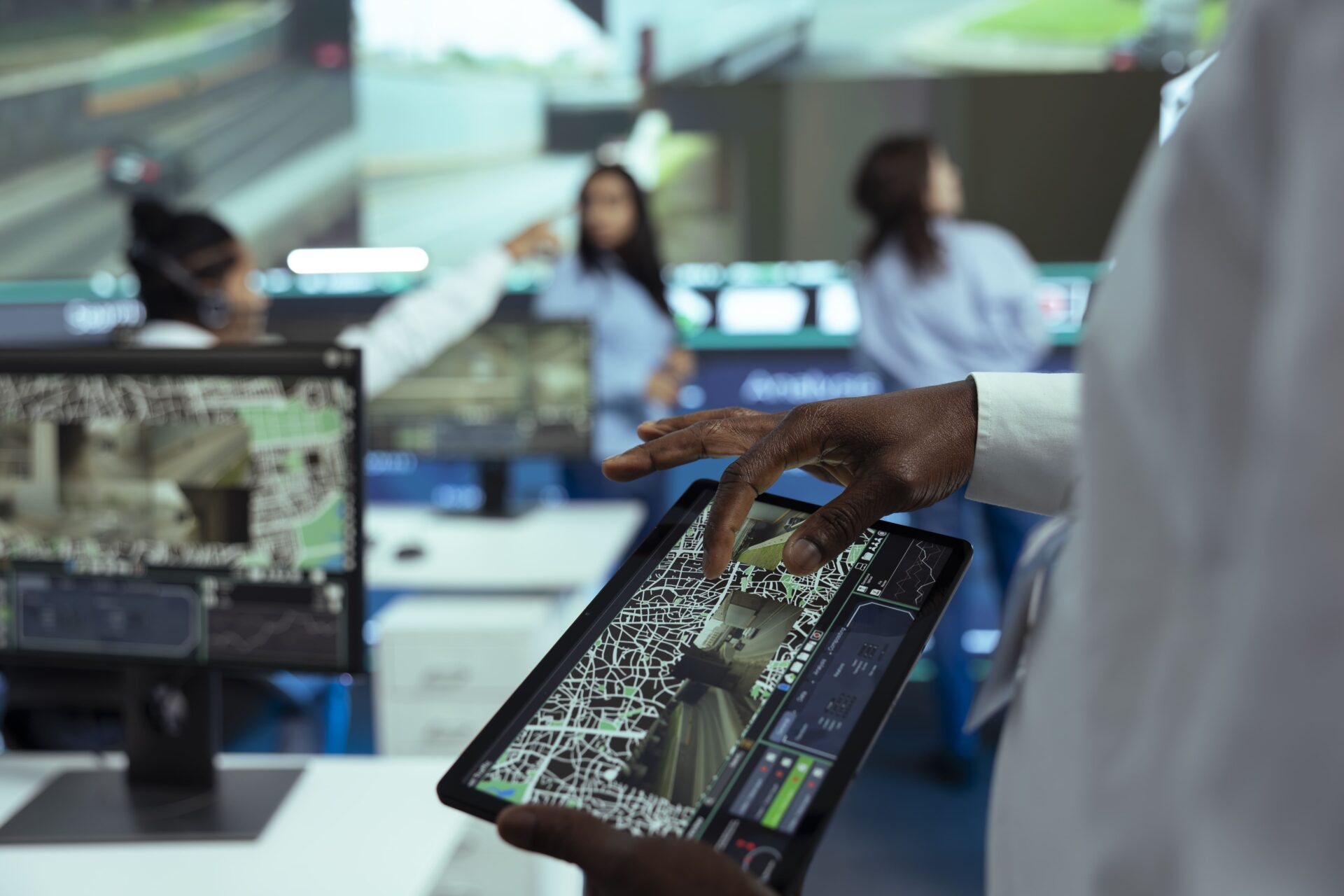
Cities are dynamic. Traffic patterns shift by the minute, weather disrupts operations without warning, and passenger demand fluctuates in ways that static schedules can’t predict....
Leer más.
Public transportation has always been the backbone of urban life, connecting people to jobs, education, healthcare, and community. But in many cities, traditional systems are...
Leer más.
Mobility has always defined cities. From ancient marketplaces to modern megacities, how people move shapes how they live, work, and connect. Yet today, urban mobility...
Leer más.
Cities are growing at a pace the world has never seen before. By 2050, more than two-thirds of the global population will live in urban...
Leer más.


