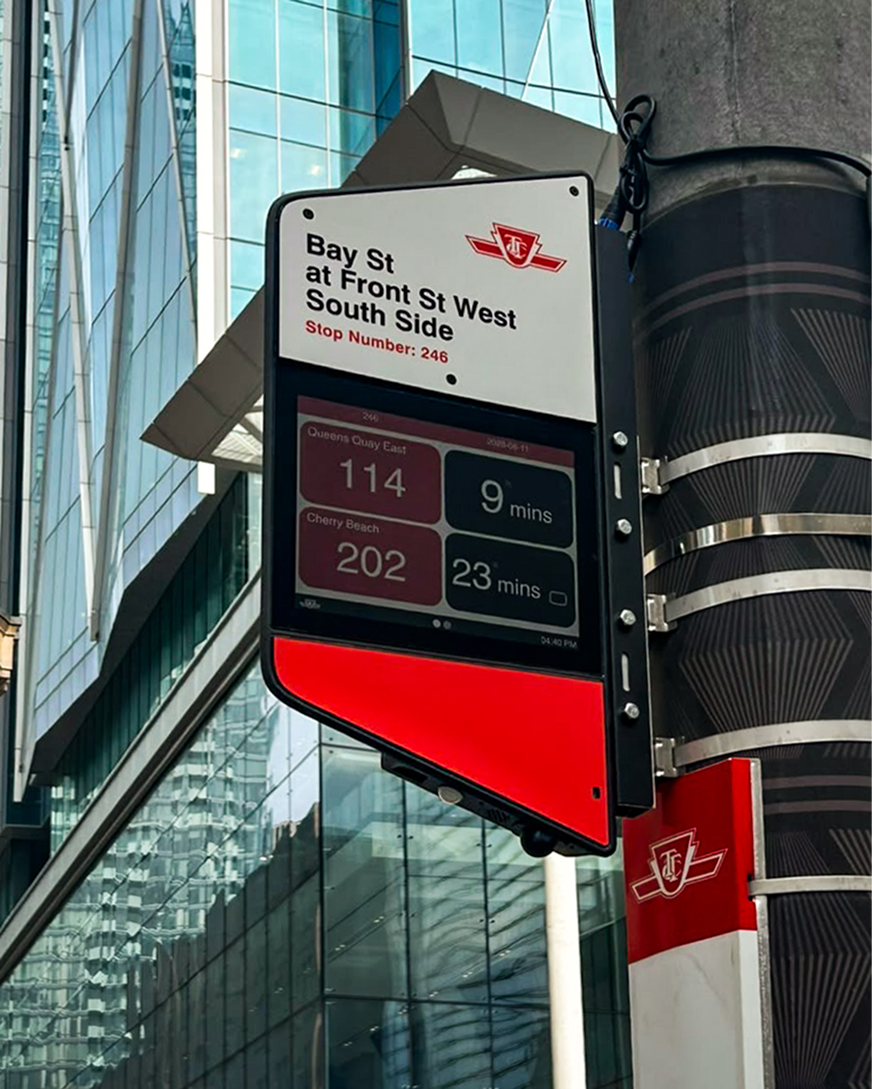
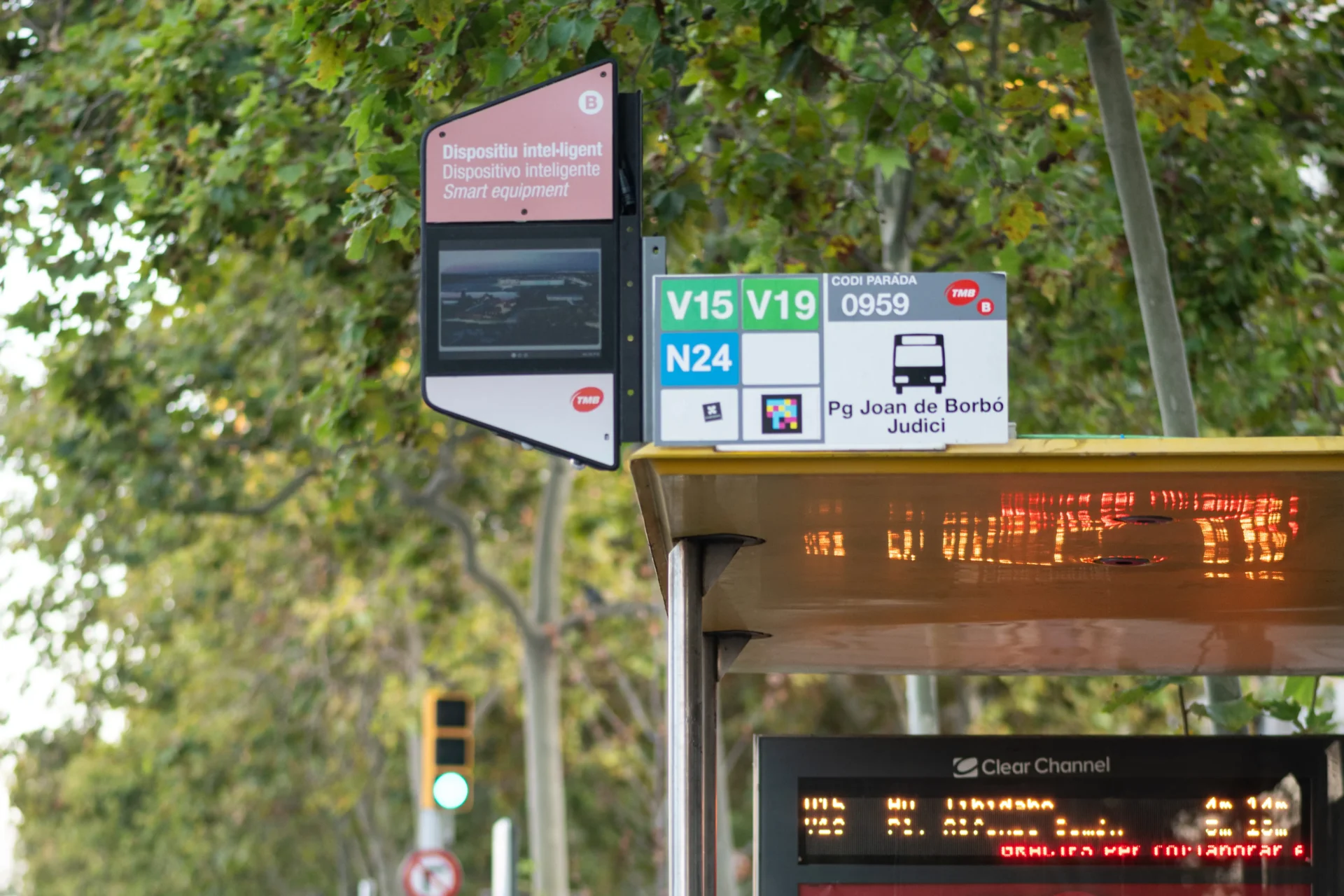
BusPas Smart Stop Technology Deployed Across TTC Network Ahead of FIFA World Cup 2026™
Real-time passenger information infrastructure supports visibility, wayfinding, and accessibility as Toronto prepares to welcome the world MONTREAL, June 12, 2026 — BusPas Inc., a Montreal-based provider of...
Leer más.
Intelligent Transportation Systems (ITS): The Digital Backbone of Modern Mobility
Cities today face a paradox. They must move more people and goods than ever before, yet they must also reduce emissions, improve safety, and create...
Leer más.
Transportation Innovation: Redefining How Cities Move
Every era of urban development has been marked by a leap in how people move. The streetcar shaped industrial cities, the automobile defined the suburbs,...
Leer más.
Transit Technology in Canada and Québec: Innovation Rooted in Local Needs
Canada is a country defined by vast geography, diverse communities, and an enduring commitment to public infrastructure. From the bustling streets of Montréal and Toronto...
Leer más.
Bus Stop Modernization: Transforming the Everyday Corner of Transit
Bus stop modernization is becoming central to how cities design smarter, greener, and more equitable transit systems. For most people, the bus stop is the...
Leer más.
Sustainable Mobility Infrastructure: Building Cities That Last
As cities around the world confront climate change, congestion, and rapid population growth, the conversation about infrastructure is shifting. It is no longer enough to...
Leer más.
Enabling App-Free On-Demand Transit Through Smart Bus Stop Infrastructure
A Hybrid Systems Approach to First-Mile Mobility in Low-Density and Regional Contexts Mobility Is Not a Function of Density Alone, and must be rethought through...
Leer más.
Passenger Information Display System: Turning Data into Confidence
Public transit succeeds or fails on one thing above all else: trust. Riders must believe that buses, trains, and trams will arrive when expected, that...
Leer más.
Digital Bus Stop Signage: Communicating Transit in Real Time
At first glance, the bus stop may seem like one of the simplest pieces of transit infrastructure—a pole, a timetable, perhaps a shelter. But for...
Leer más.
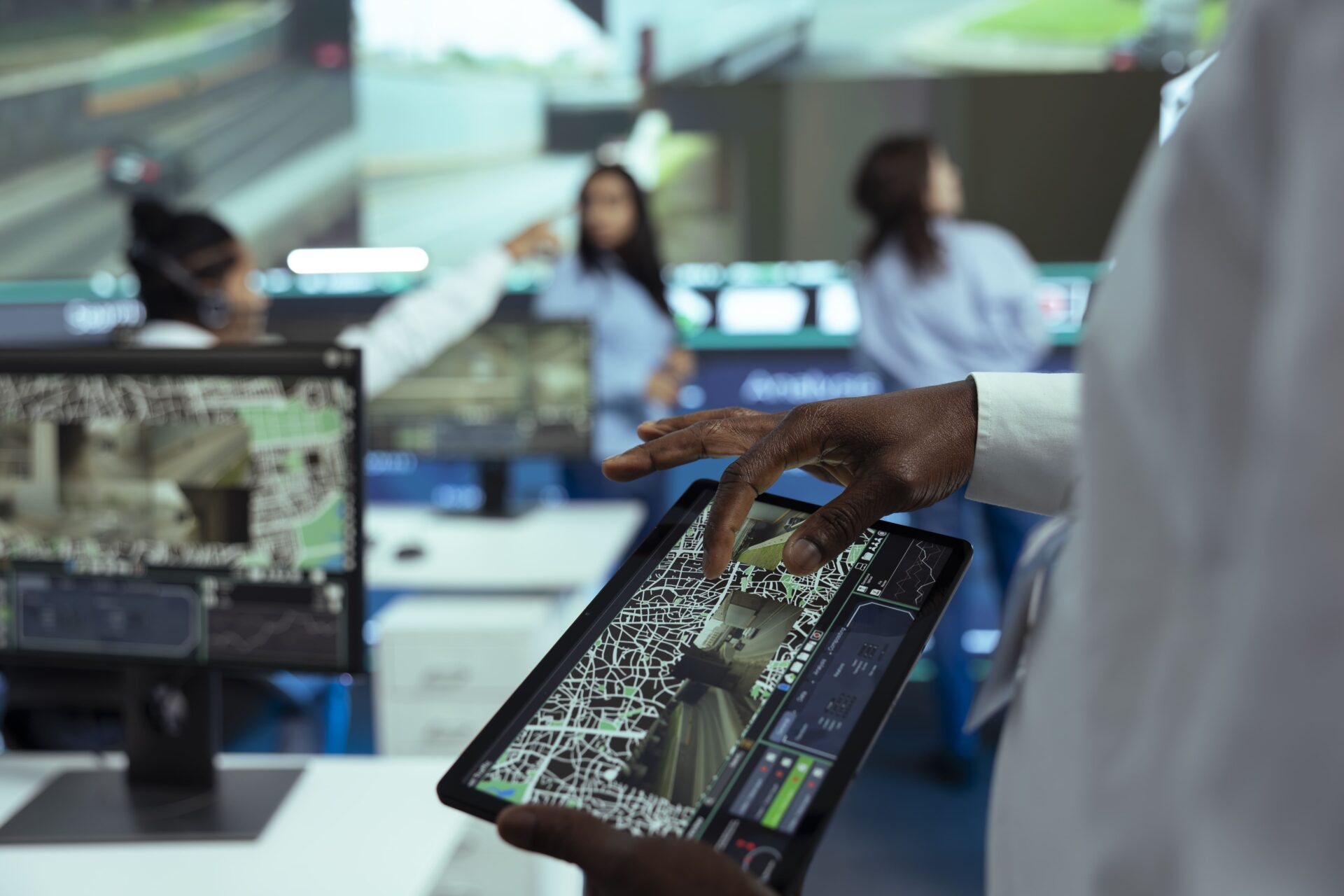
Transit Edge Computing: Intelligence Where It Matters Most
Cities are dynamic. Traffic patterns shift by the minute, weather disrupts operations without warning, and passenger demand fluctuates in ways that static schedules can’t predict....
Leer más.