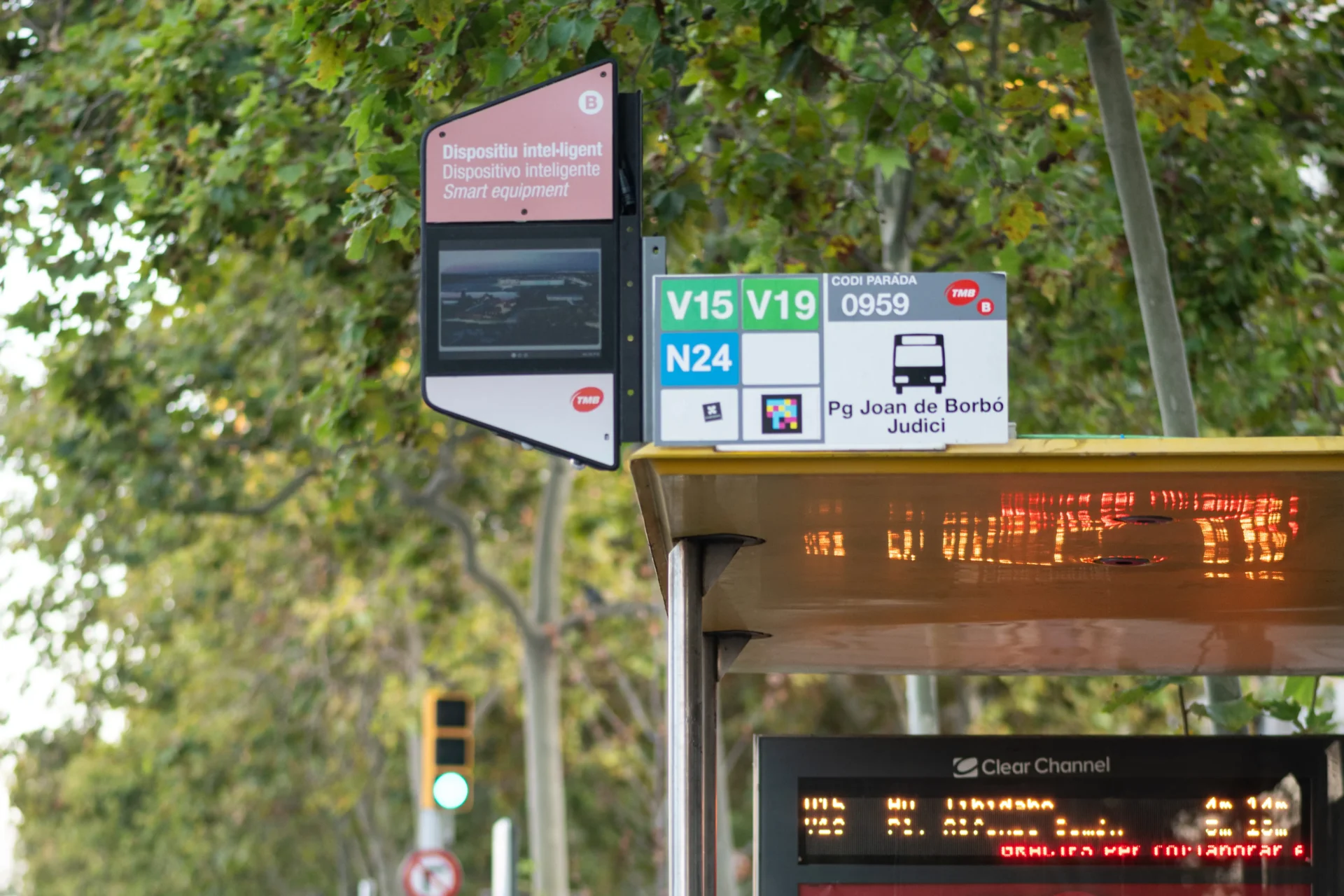
At first glance, the bus stop may seem like one of the simplest pieces of transit infrastructure—a pole, a timetable, perhaps a shelter. But for riders, it is often the most critical point of contact with the system. It’s where they decide whether to wait, whether to trust, and whether to ride. In the past, signage at bus stops was static, limited to paper schedules and printed maps. Today, however, innovation is reshaping that experience. With digital bus stop signage, agencies are turning bus stops into intelligent communication hubs that keep passengers informed, connected, and confident.
What is Digital Bus Stop Signage?
Digital bus stop signage replaces static timetables with dynamic, connected displays that update in real time. These can include LED panels, LCD monitors, or increasingly, energy-efficient e-paper screens. Instead of showing fixed schedules that may not reflect current conditions, digital signage communicates live arrival times, service disruptions, weather alerts, or even emergency notifications.
The key difference lies in adaptability. Digital bus stop signage reflects the true state of the system, not just the plan. For riders, this means no more guesswork when a bus is delayed or rerouted. For agencies, it means a direct channel to passengers at the very moment they need information most.
Why It Matters
Transit systems thrive on trust. Riders must believe that buses will arrive when expected and that the system respects their time. Static signage erodes that trust because it cannot account for the unpredictability of real urban life. Digital signage restores it by offering accuracy, clarity, and transparency.
Beyond reliability, digital signage also enhances accessibility. Multilingual displays, audio prompts, and high-contrast e-paper screens ensure that information is available to all, regardless of language ability or visual capacity. This inclusivity builds equity into the very design of transit communication.
The Role in Smart Cities
Digital bus stop signage is also an essential component of the broader smart city ecosystem. By connecting to real-time data feeds, signage becomes part of a loop of communication between vehicles, agencies, and passengers. Stops are no longer isolated—they are intelligent nodes that adapt dynamically to conditions across the network.
This connectivity extends beyond transit. Bus stop signage can display air quality data, public health announcements, or civic alerts. In times of emergency, they become a vital channel for communication at the neighborhood level. In this way, digital signage is not just about transit but about building safer, more informed communities.
The Human Experience
For passengers, the difference is immediate. A commuter checking a digital display in the morning knows exactly when the next bus will arrive, whether it is on time, and whether there are service changes. A senior at the stop in the evening feels safer thanks to illuminated, active signage. A newcomer to the city can navigate confidently through multilingual guidance.
These small but meaningful experiences transform public transit from a system of uncertainty into one of confidence. The shift encourages more people to choose buses over private cars, supporting sustainability and reducing congestion.
The BusPas Approach
At BusPas, we see digital bus stop signage as central to our mission of creating reliable, people-centered mobility. Our ORA platform powers e-paper and digital displays that remain functional even in the event of power outages. By processing data locally at the stop, our signage reduces latency, ensuring passengers receive accurate updates in real time.
We also design with resilience in mind. Our displays withstand harsh weather conditions, from Québec winters to California heat. Accessibility is built in, with options for audio announcements, clear visual design, and multilingual capabilities. Most importantly, our signage integrates seamlessly with enforcement and data capture systems, turning the bus stop into both a passenger communication tool and a data hub for agencies.
Looking Ahead
The bus stop is more than a waiting space—it is the face of public transit. As cities grow and mobility demands intensify, digital bus stop signage will become the standard, not the exception. It ensures that information is accurate, accessible, and adaptable, building trust between passengers and the systems they depend on.
For riders, digital signage means confidence. For agencies, it means a direct channel of communication and valuable data. For cities, it means a step toward smarter, more resilient infrastructure.
At BusPas, we are proud to be leading this transformation, proving that even the smallest element of transit can become a driver of innovation. Digital bus stop signage is not just about technology—it is about building mobility systems that respect people’s time, needs, and safety. The future of transit begins at the stop, and with digital signage, that future is already here.