


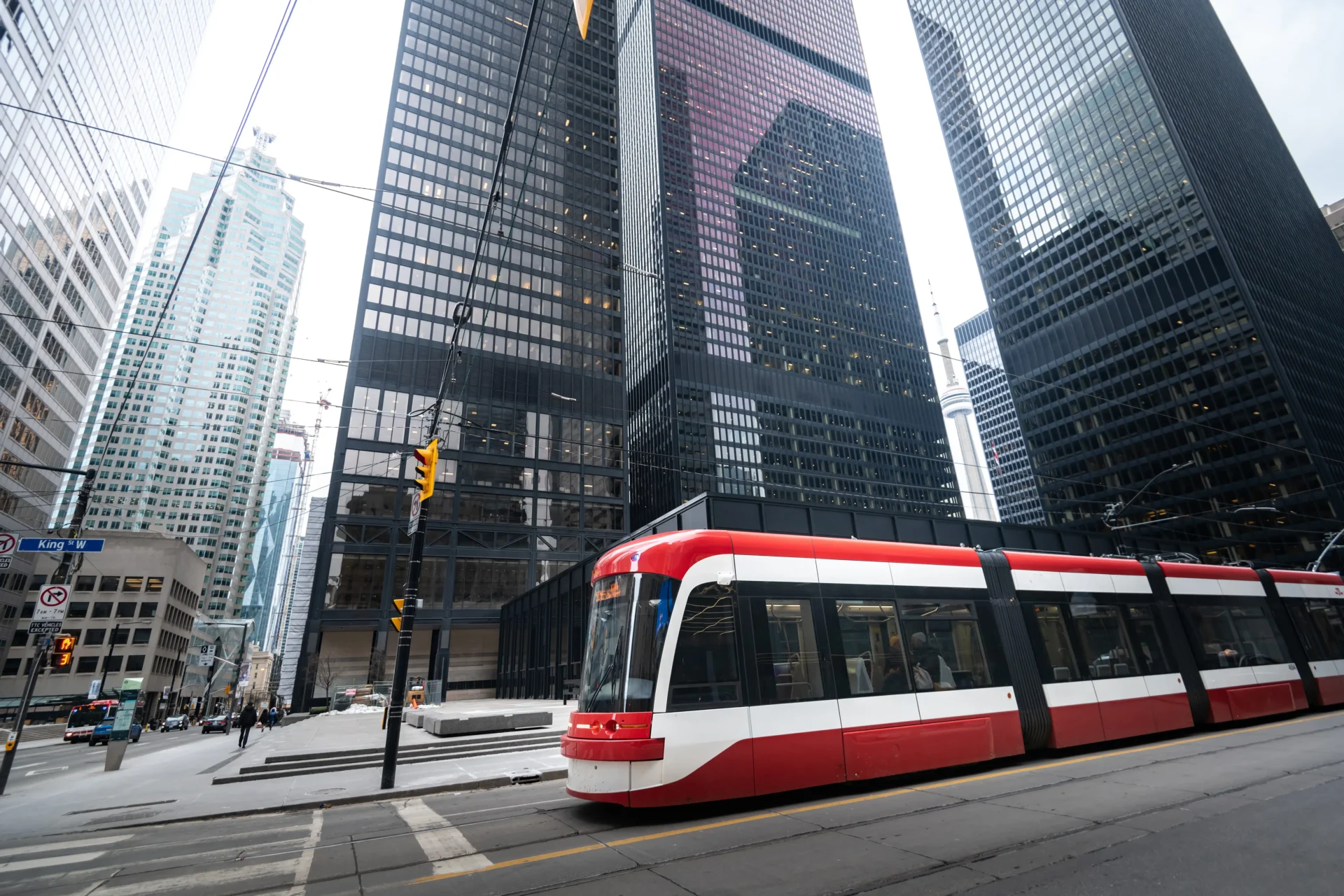
Canada is a country defined by vast geography, diverse communities, and an enduring commitment to public infrastructure. From the bustling streets of Montréal and Toronto to the growing municipalities of Québec’s regions, transit is not just about moving people—it is about connecting communities, fostering equity, and building sustainable futures. Yet, like many nations, Canada faces challenges of congestion, climate change, and rising urbanization. The answer increasingly lies in transit technology in Canada and Québec, where innovation meets the unique needs of Canadian cities and towns.
The Canadian Transit Landscape
Public transit in Canada is as varied as its landscape. Toronto’s TTC moves millions daily across subways, buses, and streetcars. Vancouver’s TransLink operates a fully integrated system that includes SkyTrain, buses, and ferries. Montréal and Québec City balance dense urban cores with sprawling suburban and regional networks. Meanwhile, smaller municipalities—like Laval, Longueuil, or Sherbrooke—face the challenge of delivering reliable service with fewer resources.
Despite these differences, the challenge is consistent: passengers want certainty, accessibility, and sustainability. Agencies want efficiency, operational insight, and adaptability. Transit technology is the bridge that connects these goals.
Québec as a Hub of Innovation
Québec has emerged as a leader in adopting forward-looking mobility solutions. Driven by strong provincial policies, innovation hubs, and public-private partnerships, the province has embraced new technologies to modernize its networks. Intelligent bus stop signage, automated enforcement systems, and edge-computing platforms are increasingly being deployed to give riders accurate information and agencies real-time data.
Québec’s cultural and linguistic context also shapes its approach. Digital systems are built to serve citizens in both French and English, with accessibility for seniors and newcomers prioritized. The result is not just innovation for efficiency’s sake but innovation tailored to people and communities.
The Role of Transit Technology
The value of transit technology in Canada and Québec is its ability to turn aspiration into action. Smart bus stops equipped with e-paper displays provide riders with live updates even in harsh winter weather. AI-powered enforcement keeps bus lanes and stops clear, ensuring vehicles can operate on time. Edge computing reduces dependence on distant servers, keeping systems resilient even in remote regions.
These technologies do more than solve operational problems. They build trust. When a commuter in Montréal sees accurate information at their stop, they are more likely to use transit the next day. When a family in Québec City boards a bus that arrives on time, confidence grows. Technology strengthens the bond between citizens and the system they rely on.
The Canadian Context: Climate and Geography
Transit technology must also be adapted to Canada’s unique realities. Harsh winters demand durable hardware—screens that remain visible in snow and cold, shelters that remain functional despite ice and wind. Vast geography means that smaller municipalities need scalable, cost-effective solutions rather than one-size-fits-all systems designed for megacities.
This is where edge-based systems shine. By placing intelligence directly at the stop, agencies reduce infrastructure costs and improve service reliability without needing massive centralized control centers. Scalability ensures that small towns can adopt the same innovations as major cities, creating equity across regions.
The BusPas Perspective
At BusPas, we are proud to be part of the Canadian and Québec transit innovation landscape. Our ORA platform is designed with Canadian realities in mind: durable, weather-resistant, bilingual, and accessible. By embedding AI and edge computing directly into bus stops, we provide real-time updates to passengers while giving agencies the operational data they need.
Our enforcement solutions address the chronic issue of blocked bus lanes and stops, a problem that undermines transit reliability across major cities. By automating detection and providing credible evidence packages, we help municipalities protect their most important transit assets.
Most importantly, we see transit technology as a tool for community. Whether it is a commuter in Laval, a senior in Sherbrooke, or a newcomer in Montréal, our systems are designed to make transit reliable, safe, and inclusive.
Looking Ahead
Canada and Québec are poised to lead in the next wave of mobility innovation. With strong policy commitments to sustainability, growing urban populations, and a culture of innovation, the conditions are ripe for transformation. The key will be adopting technologies that are not only advanced but also adapted to local needs—durable in winter, bilingual in design, and scalable for communities of all sizes.
Transit technology in Canada and Québec represents more than modernization. It represents a shift toward systems that are smarter, greener, and more human. For passengers, it means certainty. For agencies, it means efficiency. For cities, it means progress toward the sustainable, equitable futures that Canadians demand.
At BusPas, we are committed to leading this transformation, proving that technology built with local realities in mind can reshape mobility across the country. The future of Canadian transit is intelligent, resilient, and connected—and it begins at the bus stop.

BusPas Inc.
At BusPas, we innovate to offer cutting-edge technology and user-friendly solutions to transit agencies and municipalities. With a focus on integrating AI, real-time data analytics, and smart urban infrastructure, we are a leader in smart city technology.


