


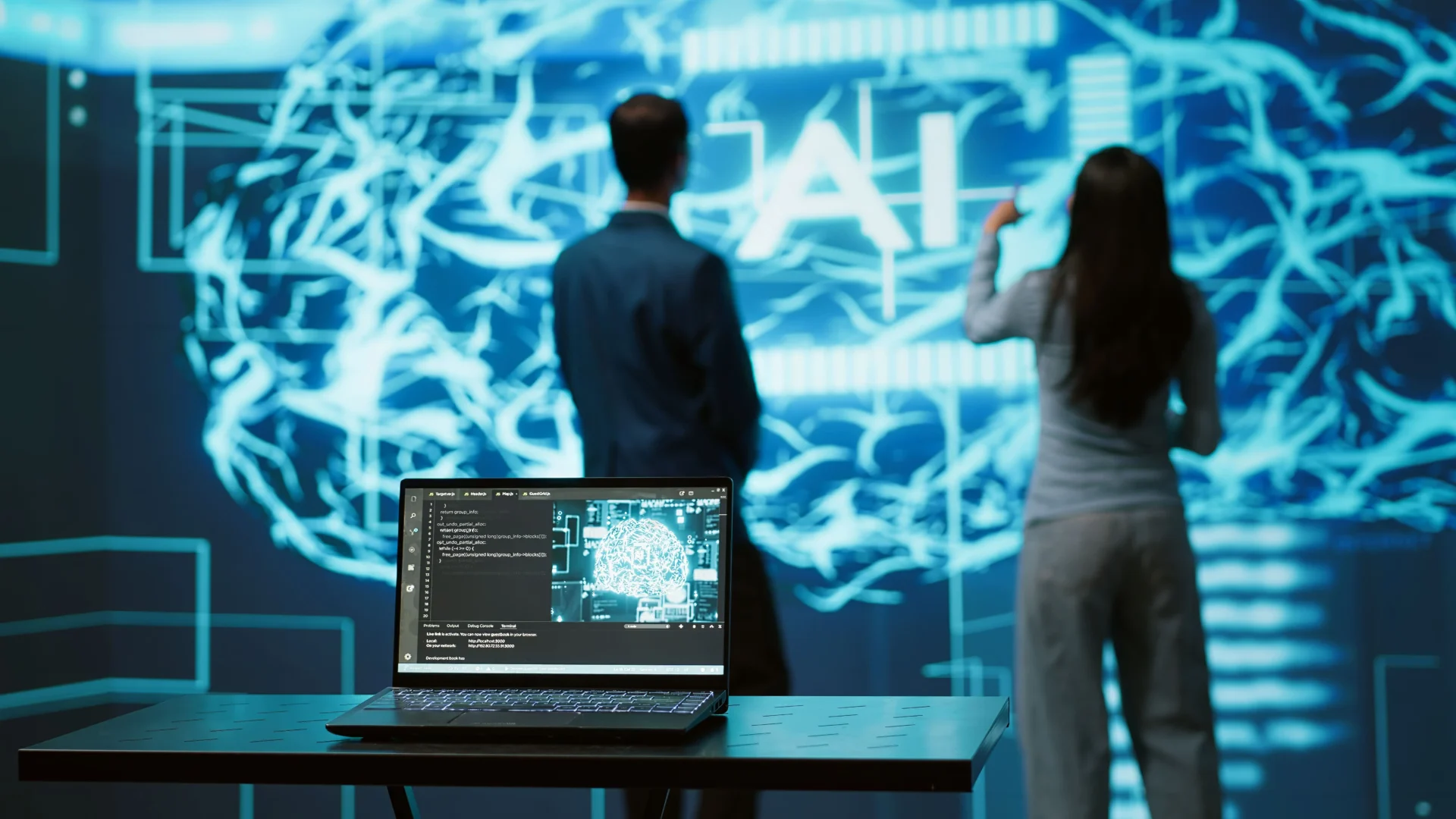
Public transportation has always been the backbone of urban life, connecting people to jobs, education, healthcare, and community. But in many cities, traditional systems are struggling. Delays are frequent, schedules are rigid, and passengers often lack accurate information. At the same time, governments are pushing for greener, more efficient mobility. The solution increasingly comes down to one breakthrough: public transit AI.
Why Public Transit Needs Artificial Intelligence
Transit systems are incredibly complex. They operate within unpredictable environments—affected by traffic congestion, weather conditions, shifting passenger demand, and unexpected incidents. Traditional planning tools, based on static schedules and long-term averages, cannot adapt quickly enough to these fluctuations.
Artificial intelligence changes this dynamic by analyzing vast amounts of real-time data. Instead of simply reacting to problems after they occur, agencies can use AI to anticipate them and adjust operations on the fly. A bus delay is no longer a mystery; the system can predict it before it happens and alert both the agency and the riders. This level of adaptability is what separates outdated systems from truly modern mobility networks.
What Public Transit AI Can Do
The applications of AI in transit are wide-ranging. AI can power real-time passenger information systems, giving commuters accurate predictions of arrival times rather than generic schedule data. It can analyze boarding and alighting patterns to forecast surges in demand, helping agencies deploy vehicles more strategically. AI can even identify recurring bottlenecks in traffic flow, enabling cities to adjust signal timing and prioritize buses at critical intersections.
On a broader scale, AI supports long-term planning. By studying years of ridership data, weather patterns, and social behaviors, AI can uncover hidden trends that inform better route design and infrastructure investment. For example, identifying neighborhoods where demand is growing allows agencies to expand service proactively, improving equity and access.
The Human Experience
While the technology is complex, the outcome is simple: passengers experience less waiting, fewer disruptions, and more confidence in their daily journeys. A worker commuting in the morning knows exactly when the bus will arrive. A parent traveling with children can plan transfers smoothly without stress. A tourist exploring a new city receives multilingual guidance that adapts to their location and schedule.
Trust is everything in transit. When passengers believe the system is reliable and responsive, they are more likely to use it regularly. AI helps build that trust by turning uncertainty into predictability.
Public Transit AI and the Smart City
AI is not just a tool for transit—it is a building block for the entire smart city ecosystem. Buses equipped with AI-powered enforcement systems can help keep lanes clear. Smart bus stops with AI-driven displays and sensors can communicate with central systems, contributing to broader traffic management strategies.
The data generated by these systems benefits the city beyond transit. Air quality sensors can feed into environmental planning, while congestion data can inform infrastructure upgrades. In this way, public transit AI becomes a multiplier of value, supporting not only transportation but also sustainability, public health, and economic development.
The BusPas Approach
At BusPas, we see public transit AI as the cornerstone of our mission to modernize urban mobility. Through our ORA platform and edge computing technology, we embed AI directly into the infrastructure—at the bus stop, in the signage, and in the curbside environment. This ensures that passengers receive live, accurate updates while agencies gain real-time intelligence about ridership, demand, and operations.
Our approach emphasizes resilience. Even during power outages, our e-paper displays maintain essential information. Edge processing reduces dependency on distant servers, ensuring that updates are fast and reliable. And accessibility is built into the system, with audio prompts, multilingual support, and intuitive interfaces that serve all passengers equally.
By combining AI-powered enforcement, intelligent bus stop design, and data-driven planning, BusPas is helping cities not only adapt to the demands of today but also prepare for the challenges of tomorrow.
Looking Ahead
The future of mobility will be defined by adaptability, sustainability, and inclusivity. Public transit AI makes all three possible. It transforms rigid schedules into responsive systems, turns raw data into actionable insights, and ensures that transit works for people first.
For riders, this means fewer delays and greater certainty. For agencies, it means efficiency and smarter planning. For cities, it means progress toward greener, more equitable futures.
At BusPas, we believe AI is not just a tool but a partner in building the transit systems of the twenty-first century. By embedding intelligence at every level of public transportation, we are proving that AI is not about replacing human judgment—it is about empowering it. Public transit AI is here today, and it is already reshaping how we move.

BusPas Inc.
Com este projeto, a cidade não se contenta em modernizar o seu sistema de transportes públicos, mas define o padrão do que é possível para a próxima geração de mobilidade urbana.

