


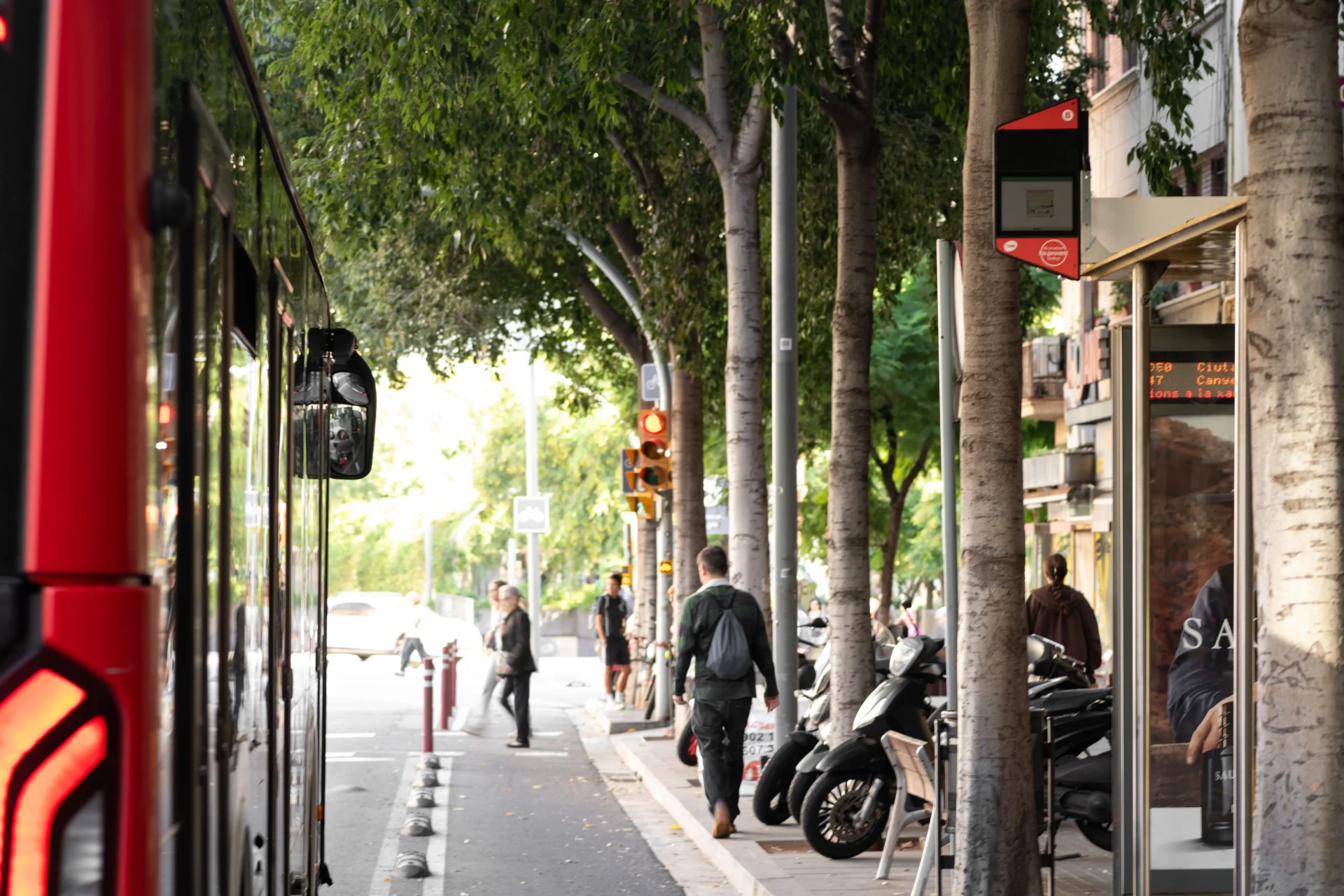
For most people, the bus stop is the most visible and familiar part of public transportation. It is where journeys begin, where schedules meet reality, and where trust in the system is built—or broken. Yet for decades, bus stops have been overlooked in infrastructure planning, reduced to little more than poles with paper timetables. Today, that reality is changing. With cities pushing for smarter, greener, and more equitable mobility, bus stop modernization has become a central focus in building transit systems that meet the needs of the twenty-first century.
What Bus Stop Modernization Means
Bus stop modernization goes far beyond upgrading shelters or repainting signs. It is about rethinking the bus stop as a multi-functional hub of communication, accessibility, and sustainability. Modern stops integrate digital signage, solar power, intelligent lighting, and edge computing to create spaces that are safer, smarter, and more connected.
These stops are no longer passive waiting areas—they are active participants in the transit ecosystem. They capture and process data, provide real-time updates to passengers, and even serve as nodes in the larger smart city infrastructure, contributing information on traffic, ridership, and environmental conditions.
Why It Matters
Transit reliability depends as much on communication as it does on vehicles. A bus running late is far less frustrating if passengers are informed in real time. A dark, isolated stop feels unsafe even if service is frequent. A stop that cannot accommodate wheelchairs excludes entire communities from mobility.
Bus stop modernization addresses these gaps. By making stops accessible, safe, and connected, agencies restore trust in the system. Riders know they are seen and valued, and that their time and safety matter. This confidence leads to greater ridership, which in turn supports broader goals of reducing congestion and emissions.
The Human Experience
Consider the daily reality of riders. A commuter arriving at a modernized stop sees an e-paper display showing live bus arrival times. A student can charge a device while waiting. A senior hears audio announcements that confirm their route. A parent feels reassured thanks to intelligent lighting and safety monitoring.
These are not luxuries—they are basic expectations in the digital age. When transit delivers them, passengers experience less stress, more certainty, and greater trust. When it doesn’t, they turn back to private cars.
The Role of Technology
Modernization is powered by technology. E-paper signage consumes minimal energy while providing real-time updates. Solar panels make stops self-sustaining, even in areas without direct grid access. Edge computing allows systems to process data locally, reducing latency and ensuring reliability during network disruptions. IoT sensors capture ridership data and environmental conditions, turning stops into valuable sources of intelligence.
Technology also enables resilience. In the event of a power outage or connectivity issue, displays can preserve essential information, ensuring passengers are never left in the dark.
The BusPas Approach
At BusPas, we believe bus stop modernization is the foundation of a truly smart mobility system. Our ORA platform transforms stops into intelligent, resilient, and accessible hubs. We design with inclusivity in mind—multilingual displays, audio prompts, and wheelchair-friendly layouts ensure that every passenger is served.
Our systems are built for sustainability, with solar integration and energy-efficient e-paper displays that reduce environmental impact. We embed AI and edge computing directly at the curb, ensuring passengers receive accurate updates in real time while agencies gain actionable data on ridership and operations.
We also focus on scalability. Bus stop modernization should not be reserved for global megacities—it should be accessible to municipalities of all sizes. Our modular approach allows cities to start with small deployments and expand as needs grow.
Looking Ahead
The bus stop is often the smallest element of transit infrastructure, but it carries the greatest weight in shaping passenger perception. Bus stop modernization is not about aesthetics alone—it is about transforming trust, accessibility, and sustainability at the point where riders experience transit most directly.
For passengers, modernization means confidence and dignity. For agencies, it means efficiency and valuable data. For cities, it means progress toward climate and equity goals.
At BusPas, we are proud to lead this transformation. By embedding intelligence into everyday infrastructure, we are proving that modernization is not about reinventing transit from scratch—it is about reimagining the ordinary. The humble bus stop is becoming the cornerstone of smart mobility, and its modernization is key to the cities of tomorrow.

BusPas Inc.
At BusPas, we innovate to offer cutting-edge technology and user-friendly solutions to transit agencies and municipalities. With a focus on integrating AI, real-time data analytics, and smart urban infrastructure, we are a leader in smart city technology.


