


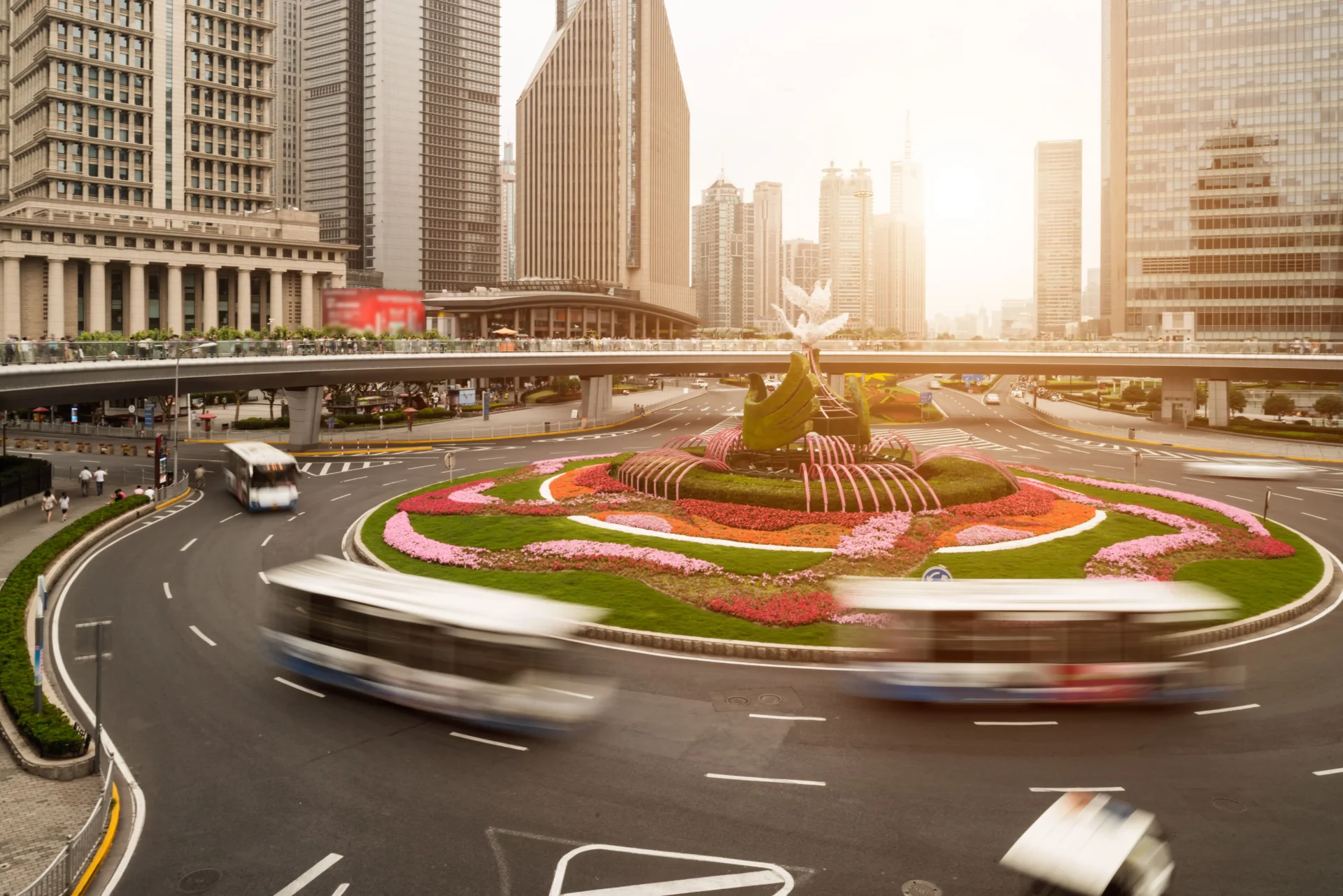
Cities today face a paradox. They must move more people and goods than ever before, yet they must also reduce emissions, improve safety, and create equitable access to transit. Traditional infrastructure—built for cars, congestion, and outdated models of mobility—cannot meet these demands. The answer lies in technology, specifically intelligent transportation systems (ITS), which transform infrastructure into dynamic, data-driven networks that adapt in real time to the needs of citizens and cities alike.
What Are Intelligent Transportation Systems?
An intelligent transportation system (ITS) integrates digital technology, sensors, communications, and data analytics into transportation infrastructure. It links vehicles, roadways, traffic signals, bus stops, and central operations into one interconnected ecosystem. Rather than operating in isolation, every part of the system communicates, shares information, and responds dynamically.
This might mean buses communicating with traffic lights to gain priority at intersections. It could be real-time passenger information displayed at bus stops through e-paper screens. It could involve automated enforcement keeping lanes clear or AI systems analyzing ridership data to improve planning. In every case, ITS moves mobility from static planning to real-time intelligence.
Why ITS Matters
Congestion costs cities billions in lost productivity each year. Traffic accidents remain a leading cause of injury worldwide. Transit ridership suffers when passengers cannot rely on accurate information. Climate goals grow more urgent by the day.
Intelligent transportation systems (ITS) directly address these challenges. By coordinating signals and prioritizing public transit, ITS reduces delays and emissions. By monitoring conditions through sensors and cameras, it enhances safety for drivers, cyclists, and pedestrians. By delivering real-time updates, it builds trust in public transit.
ITS also helps cities maximize existing infrastructure. Instead of building new roads, cities can optimize the capacity of what already exists through smarter coordination. This makes ITS both cost-effective and sustainable.
The Human Dimension
For citizens, ITS is experienced in the details of daily life. A commuter arriving at a bus stop sees accurate, real-time updates instead of outdated schedules. A cyclist feels safer thanks to connected intersections that detect their presence. A parent walking children to school benefits from traffic signals that adapt dynamically to pedestrian flow.
These improvements may seem small individually, but collectively they redefine how people experience mobility. They turn transportation from a source of stress into a system of trust.
ITS in the Smart City
ITS is not just about transportation—it is the digital backbone of the smart city. Data gathered by ITS supports everything from climate monitoring to urban planning. For example, environmental sensors at bus stops can feed into city dashboards to track air quality. Ridership data can inform equitable service expansion. Automated enforcement can improve safety while also supporting economic efficiency by reducing delays.
The real power of ITS lies in integration. When buses, stops, signals, and agencies work as one, mobility becomes seamless, sustainable, and resilient.
The BusPas Approach
At BusPas, we see intelligent transportation systems as central to our mission of modernizing urban mobility. Our ORA platform brings intelligence to the curbside, embedding AI and edge computing into bus stops and transit corridors. By processing data locally, we deliver accurate real-time information to passengers while ensuring agencies gain actionable insights into operations.
Our solutions connect seamlessly with larger ITS frameworks. Smart signage, automated enforcement, and real-time data capture feed into citywide systems, strengthening both local operations and regional planning. Accessibility and inclusivity are built into every design—because intelligent systems must serve every citizen, not just the tech-savvy or the privileged.
We also prioritize resilience. Our systems are designed to function reliably during outages or connectivity disruptions, ensuring that critical information continues to flow when riders need it most. For us, ITS is not an abstract concept but a lived reality at the bus stop, where riders experience the promise of intelligent mobility directly.
Looking Ahead
The future of cities depends on how well they move. Intelligent transportation systems (ITS) are the key to creating mobility networks that are safe, sustainable, and equitable. They transform infrastructure into living systems that learn, adapt, and respond.
For passengers, ITS means confidence in their daily journeys. For agencies, it means efficiency, data, and foresight. For cities, it means progress toward climate goals, reduced congestion, and improved quality of life.
At BusPas, we are proud to contribute to this transformation. By embedding intelligence into the everyday details of transit, we are proving that ITS is not only the future of mobility—it is the present. Intelligent transportation systems are here, reshaping how we live, move, and connect.


