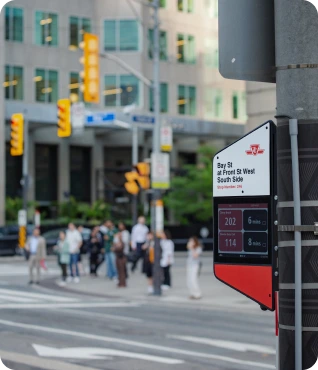
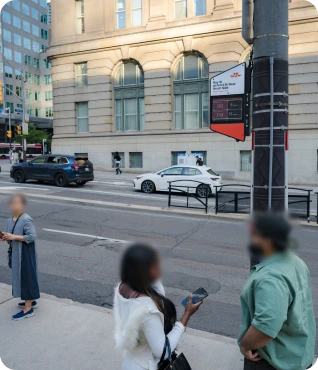
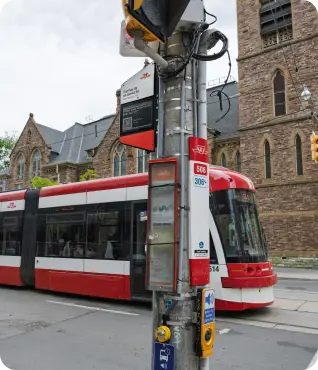
Smart curb infrastructure for transit priority, street-side communication, and curb intelligence.
O que é
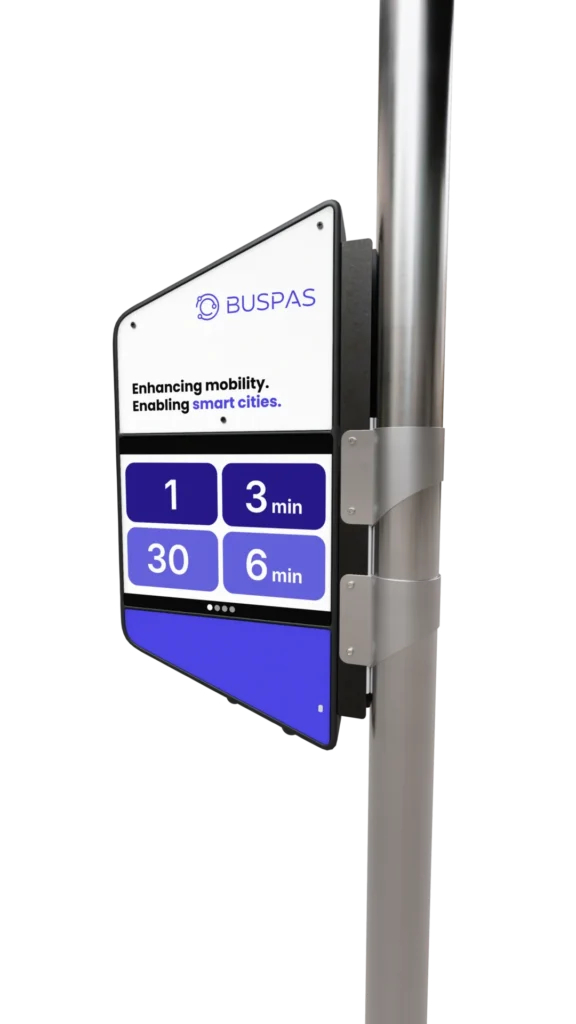
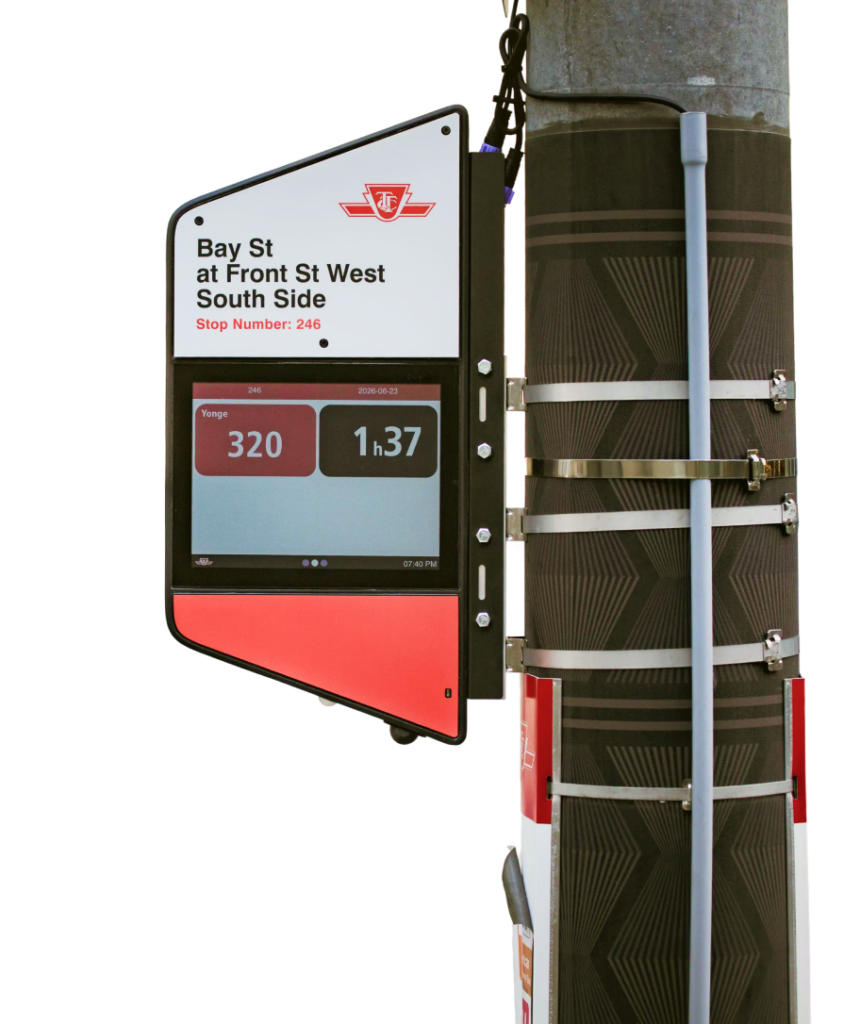
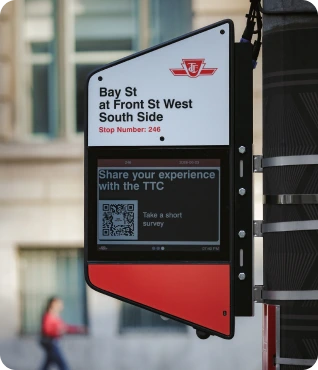
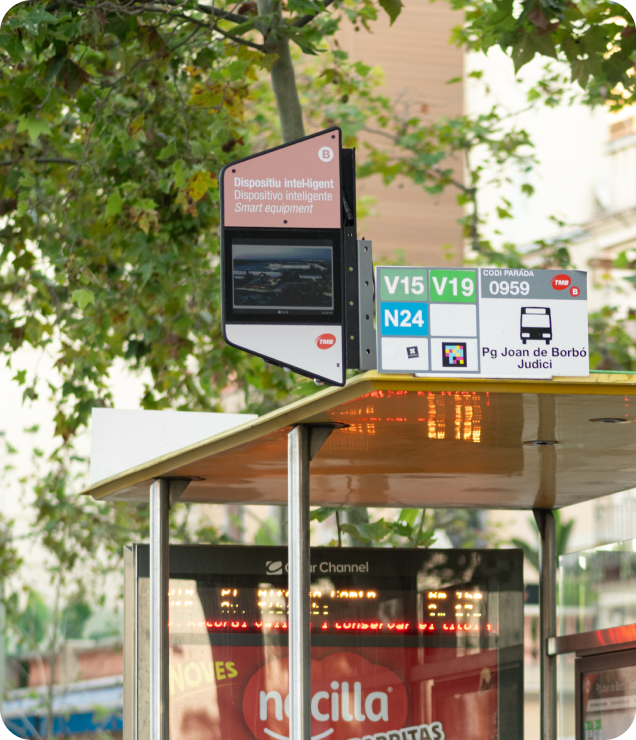
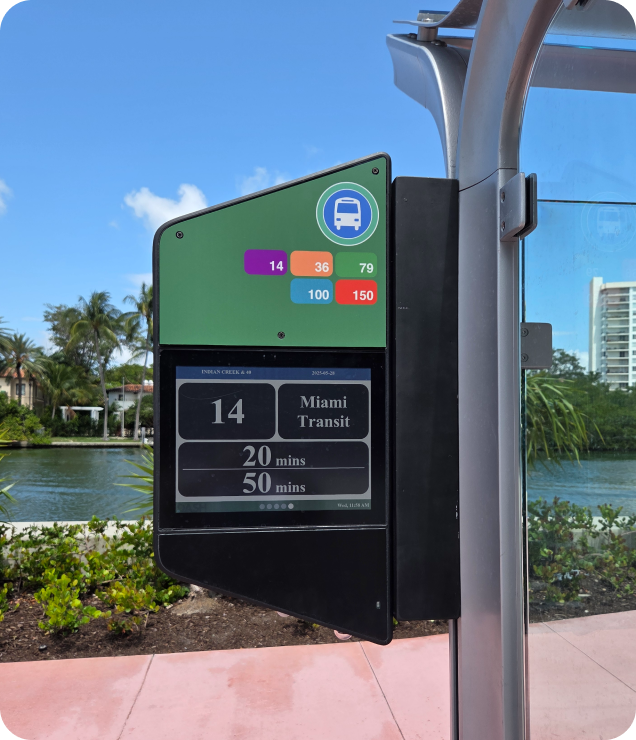
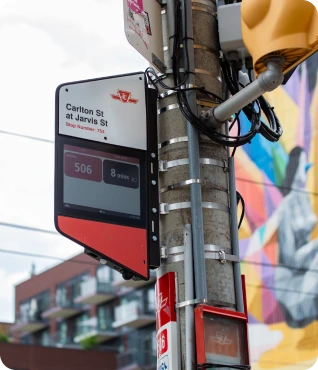
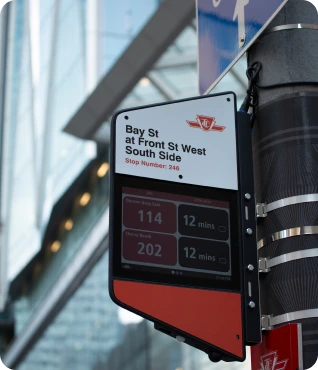
The SmartSign™ is a connected stop-level infrastructure platform designed for bus stops, transit-priority zones, no-standing areas, and high-friction curb locations.
It can support real-time passenger information, service alerts, accessibility messaging, safety lighting, edge AI detection, and ORA-connected monitoring from one street-ready asset.
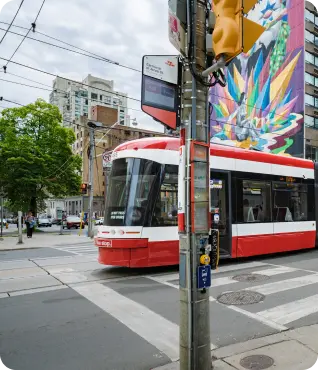
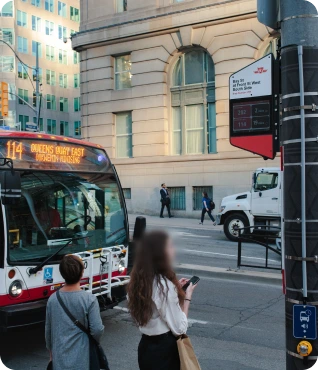
Capable of being deployed on existing infrastructure, configured with solar or grid power, and adapted to the needs of transit agencies, municipalities, and enforcement partners.
Principais funcionalidades
Visibility-capable
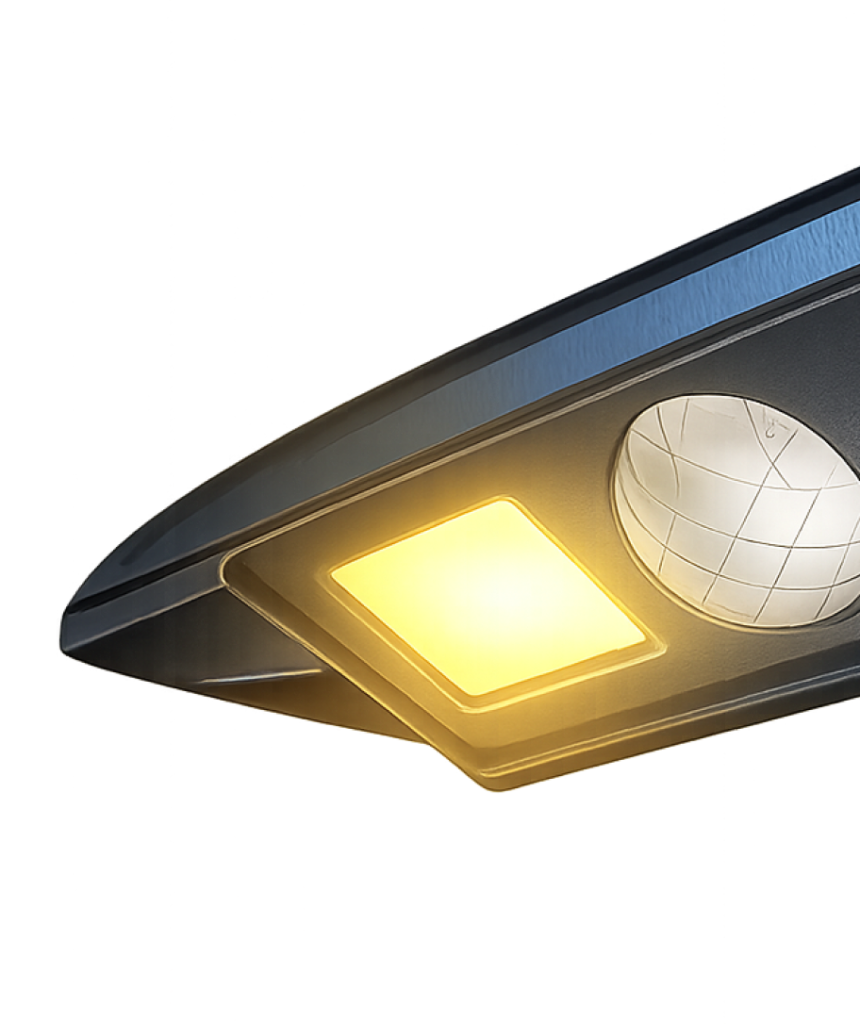
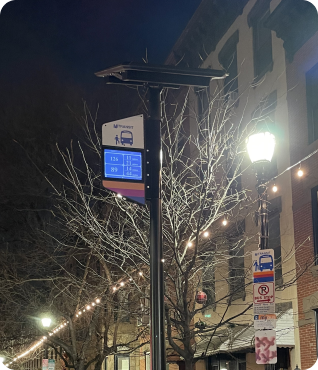
High-visibility smart lighting for lane clarity, nighttime visibility, compliance support, and safer waiting environments.
AI-capable
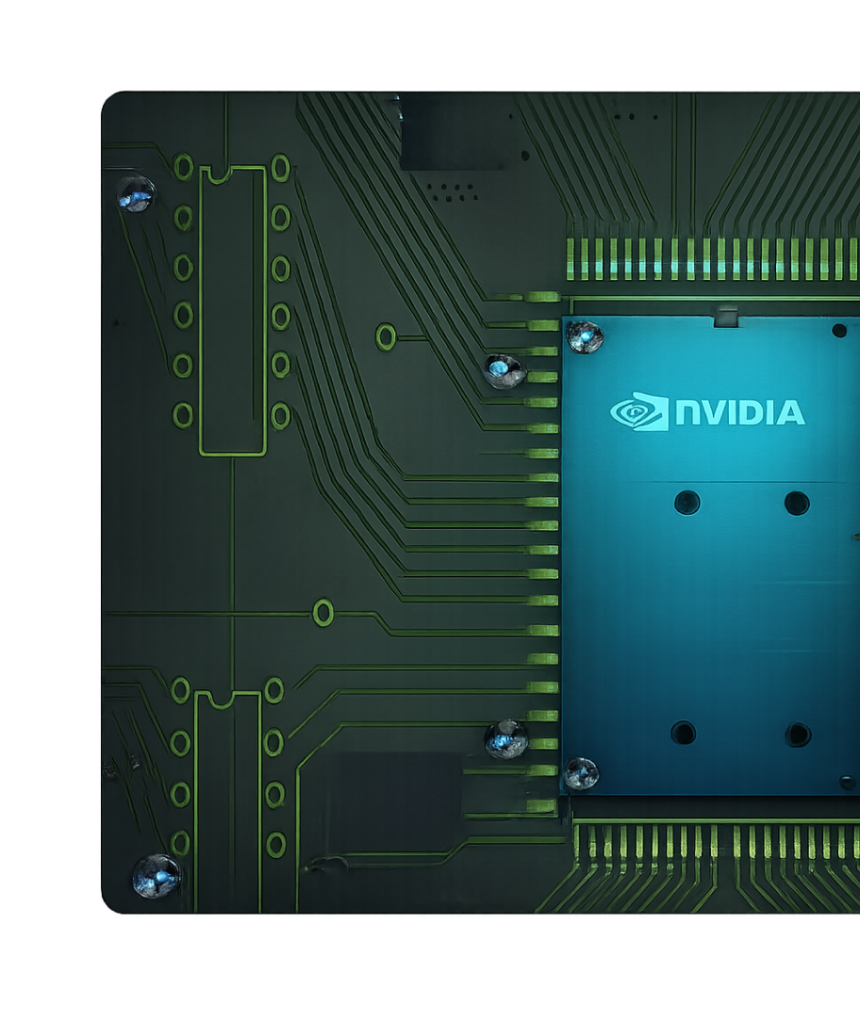
Edge AI processing supports local, real-time event qualification and reduces dependency on continuous cloud processing.
Compatível com energia solar
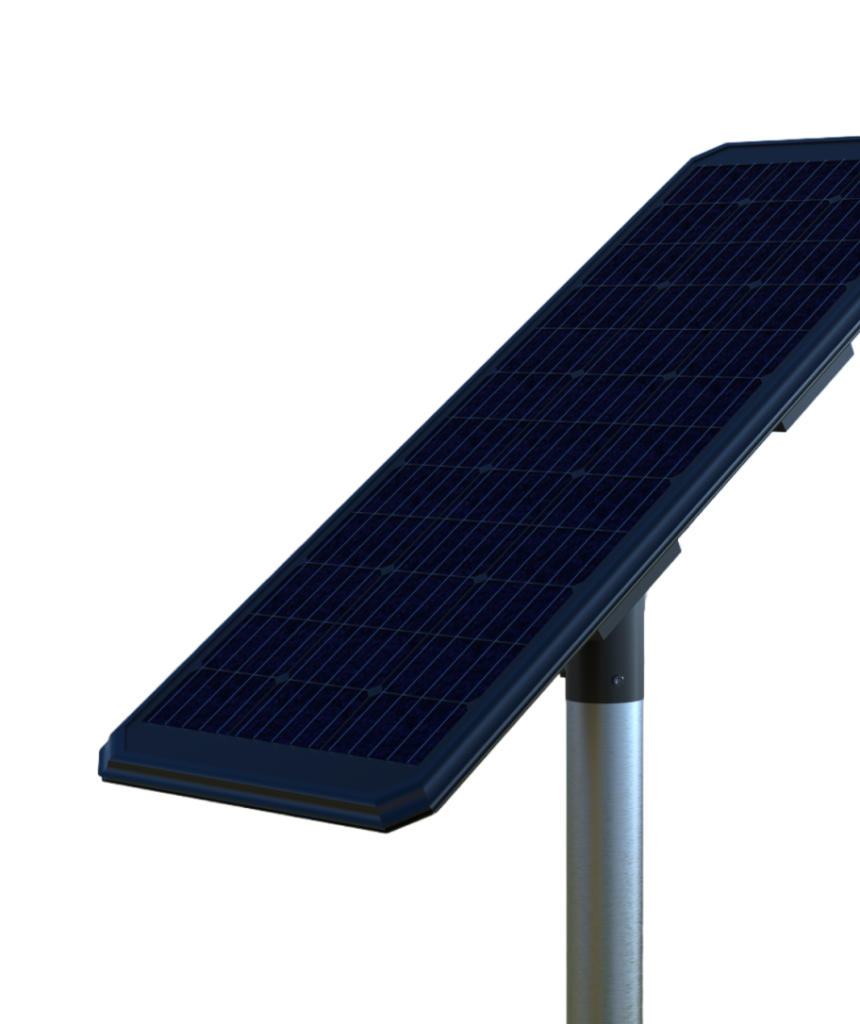
Supports solar-enabled, grid-connected, or site-specific power configurations for flexible deployment.
Vision-capable
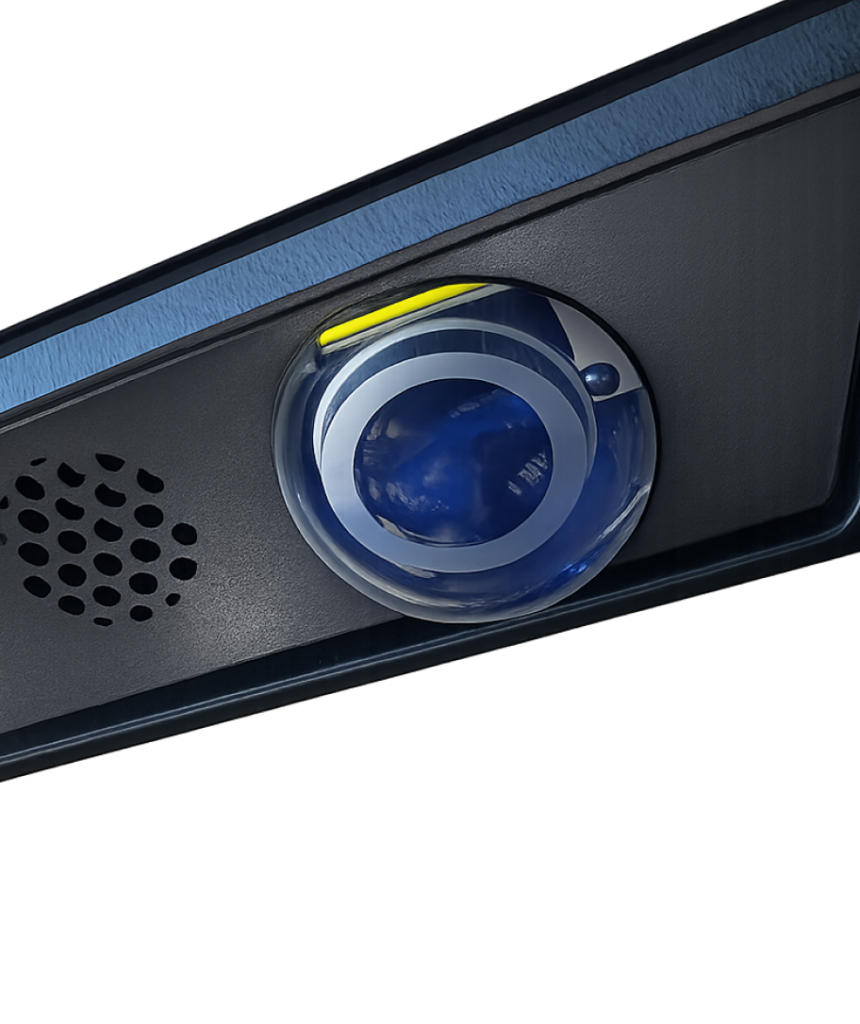
Computer vision modules can detect and classify curb activity, including blocked stops, restricted-zone activity, and recurring curb conflicts where configured.
Remotely connected
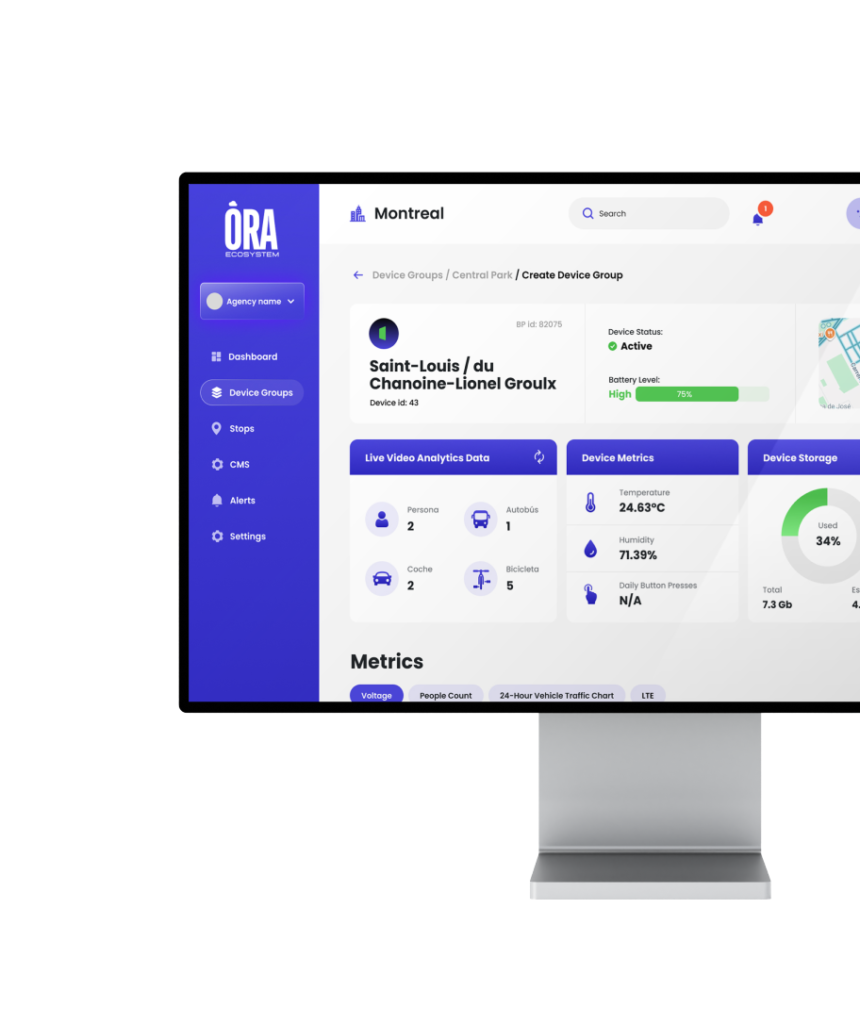
Integrates with ORA for device health, telemetry, alerts, reporting, remote management, and operational visibility.
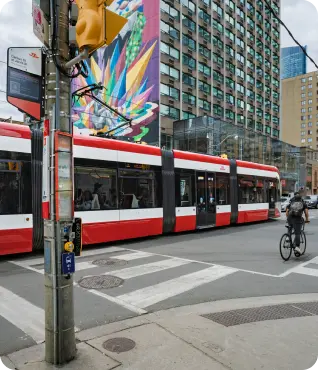
The curb is where transit reliability, accessibility, safety, parking, loading, and rider communication all meet. When stops are blocked, information is unclear, or curb activity goes unmeasured, riders experience the impact first.
SmartSign™ helps agencies and municipalities make the stop more visible, more informative, and more operationally useful — turning a passive sign location into an active curbside intelligence point.
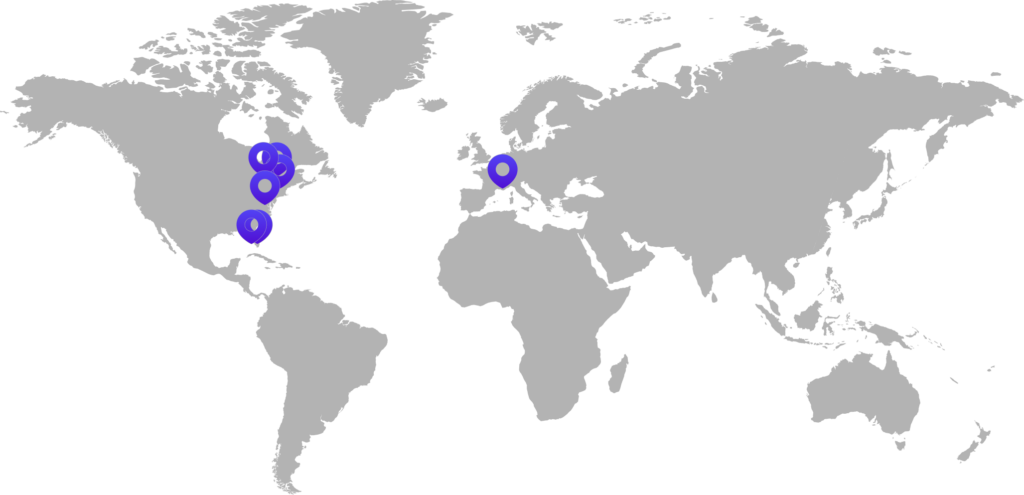
Implementações comprovadas
Ready to make the stop work harder?
Whether to discuss a focused pilot, explore a broader SmartSign™ deployment across priority stops, corridors, or curbside zones, or simply learn more, we’d love to connect with you.